
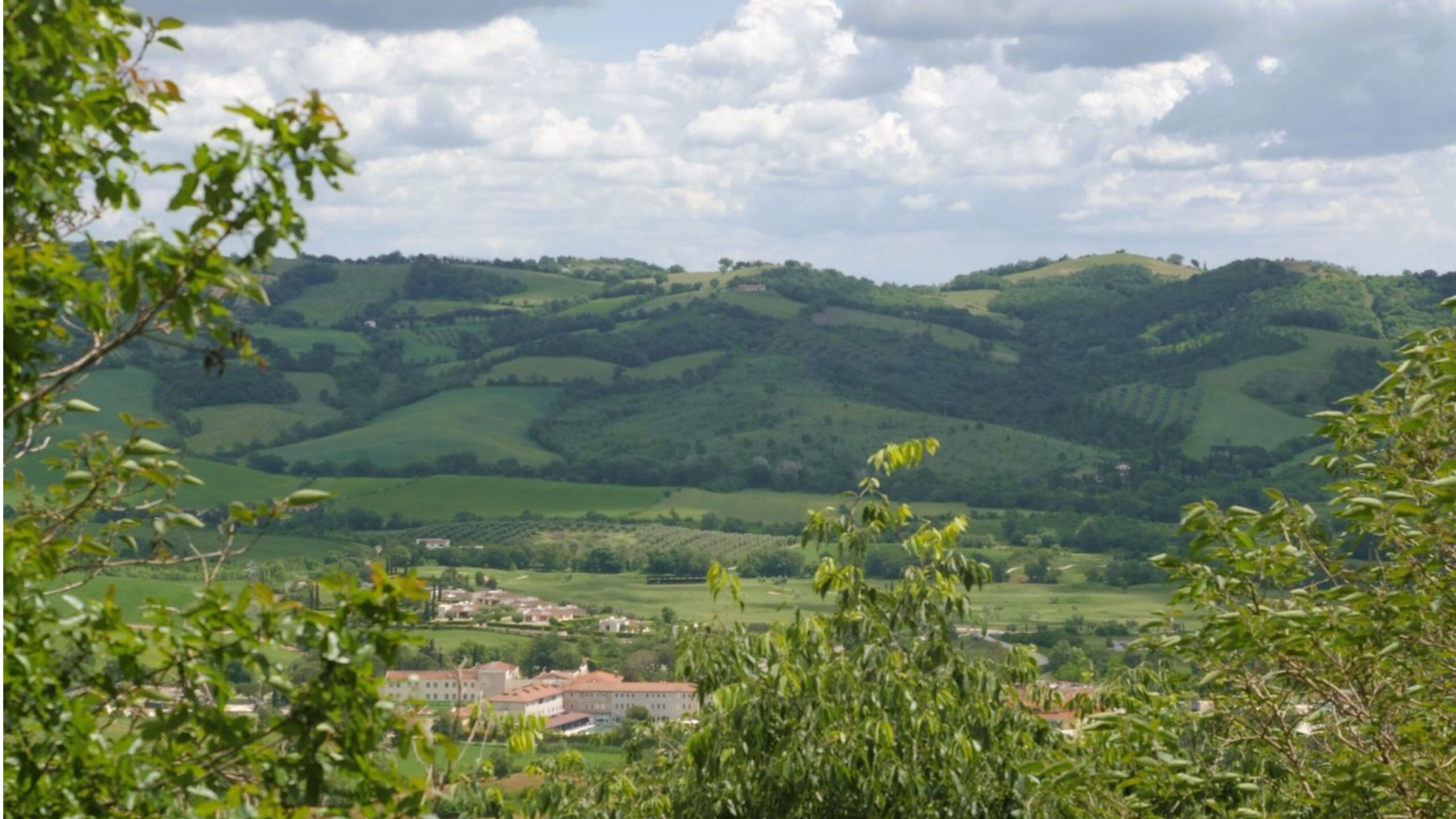
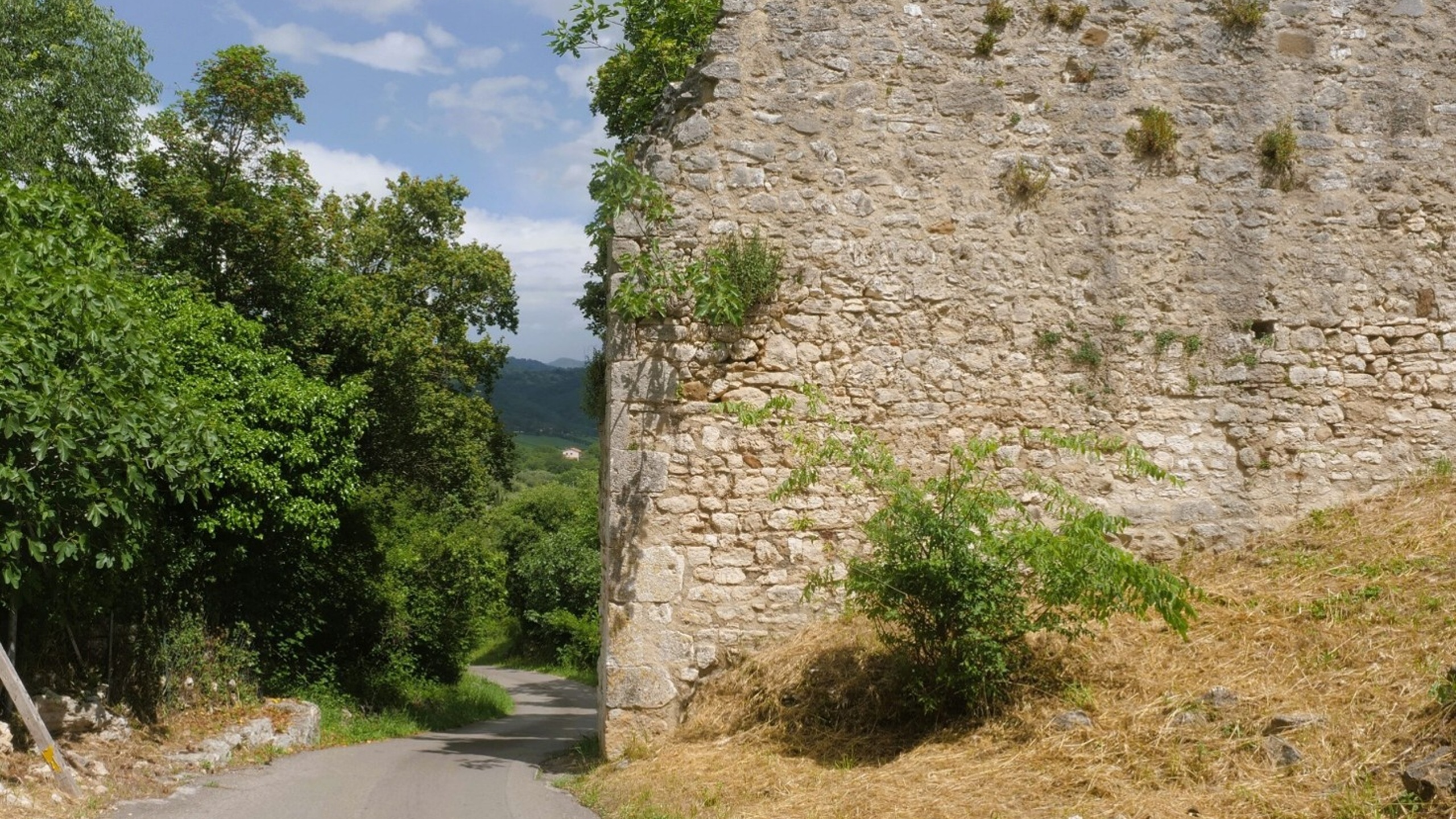
Arriving in Saturnia is already a journey through space and time. The road leading to the village gently climbs through silent fields and olive groves, where nature still preserves ancient atmospheres. The final bends, shaded by centuries-old trees, lead to the Marruchetone hill, a section of the defensive walls that still partly preserves the imprint of ancient polygonal architecture.
The village is entered through Via Aurinia — a tribute to Saturnia’s name mentioned by Pliny — and visitors immediately find themselves in the large Piazza Vittorio Veneto. Today the heart of local life, this space was once deserted, as Nicolosi described at the beginning of the twentieth century in La Montagna Maremmana: a few scattered houses, an isolated bell tower, and an almost cemetery-like silence.
The appearance of Saturnia is among the most impressive and possesses a terrible beauty. In the flat basin, an immense mass of rocky and rugged travertine rises like a formidable wedge between the Albegna and Stellata rivers. Brambles and wild shrubs form a thick green belt around it; above, bare Cyclopean rocks and remains of warrior walls crown it in a disorder reminiscent of a cataclysm... The silence is vast and profound. Only in May do birds begin to chirp among the dense vegetation, then as the sun rises and the stone becomes scorching, even that song fades, becoming a soft whisper before disappearing completely, drowned by the oppressive silence. All around there is mountain and solitude.
Nicolosi
Alfio Cavoli echoes this description when he writes:
Here, in the rocky hollow, shaded after midday by the cliff, old twisted olive trees spread a sense of ancient tranquility; here the sharp and thorny marruca accompanies the delicate wild asparagus, giving the landscape a harsh Maremma character; here, enhanced by the size and color of the limestone mass and mixed with the grey stones of the fifteenth-century Sienese fortification, the polygonal blocks stand out, arranged by ancient peoples along the edge of the vast travertine ledge to defend the city.
Alfio Cavoli
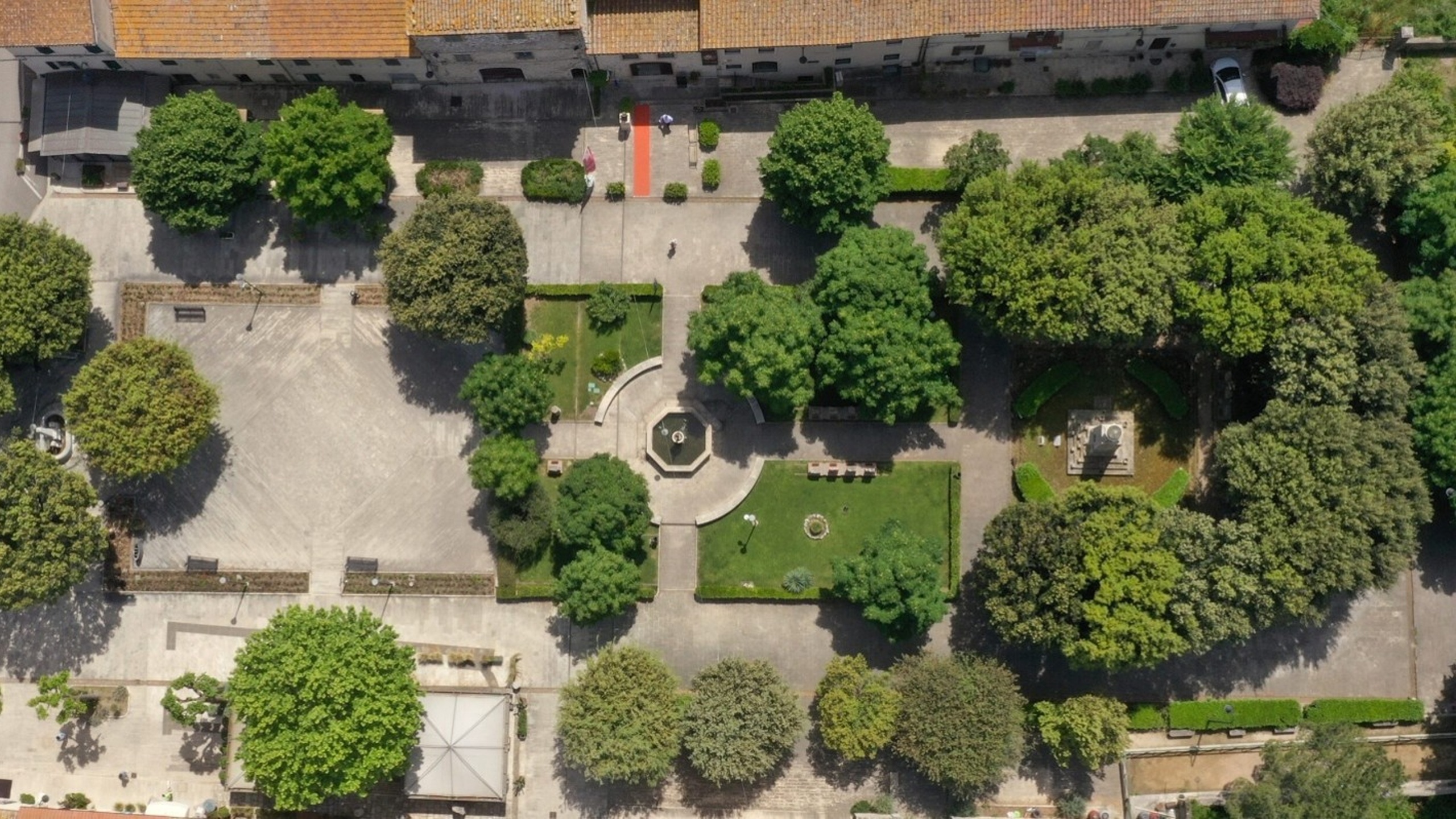
Piazza Vittorio Veneto
The square features two main monuments: the Monument to the Fallen of the Great War (1915-1918) and the charming Felicina Fountain, a bronze work by sculptor Arnaldo Mazzanti depicting a nymph bathing. The square also contains numerous Roman cippi, funerary stones from nearby locations such as Fonte Nuova, Pancotta, and Sterpeti, many bearing inscriptions that testify to the presence of a flourishing community already during Roman times.
Palazzo Ximenes-Panciatici and the "Due Cippi" Restaurant
A real surprise emerged during the restoration works of the square, right in front of the "Due Cippi" Restaurant, located on the ground floor of the ancient Palazzo Ximenes-Panciatici: the remains of a Roman thermal building, including a valuable mosaic depicting a dolphin and a horse intertwined in an elegant aquatic dance.
The two cippi that give the restaurant its name tell the stories of distinguished figures: the one on the left of the entrance commemorated C. Didius Saturninus, a prestigious centurion awarded military honors by Lucius Verus and Marcus Aurelius, and patron of the Saturnini; the other, on the right, was dedicated to Sextus Maecius Marcellus, a five-year duumvir and benefactor of the pagus Lucrezio, who worked with dedication for the community.
From a nearby wall, it is possible to glimpse the evocative ruins of the Church of San Biagio immersed in the countryside: during Roman times, this was where the city extended with its orderly grid of streets and insulae. Behind the square, beyond the Monument to the Fallen, the remains of Renaissance buildings discovered during excavations in 1980, directed by Maurizio Michelucci, are still visible.
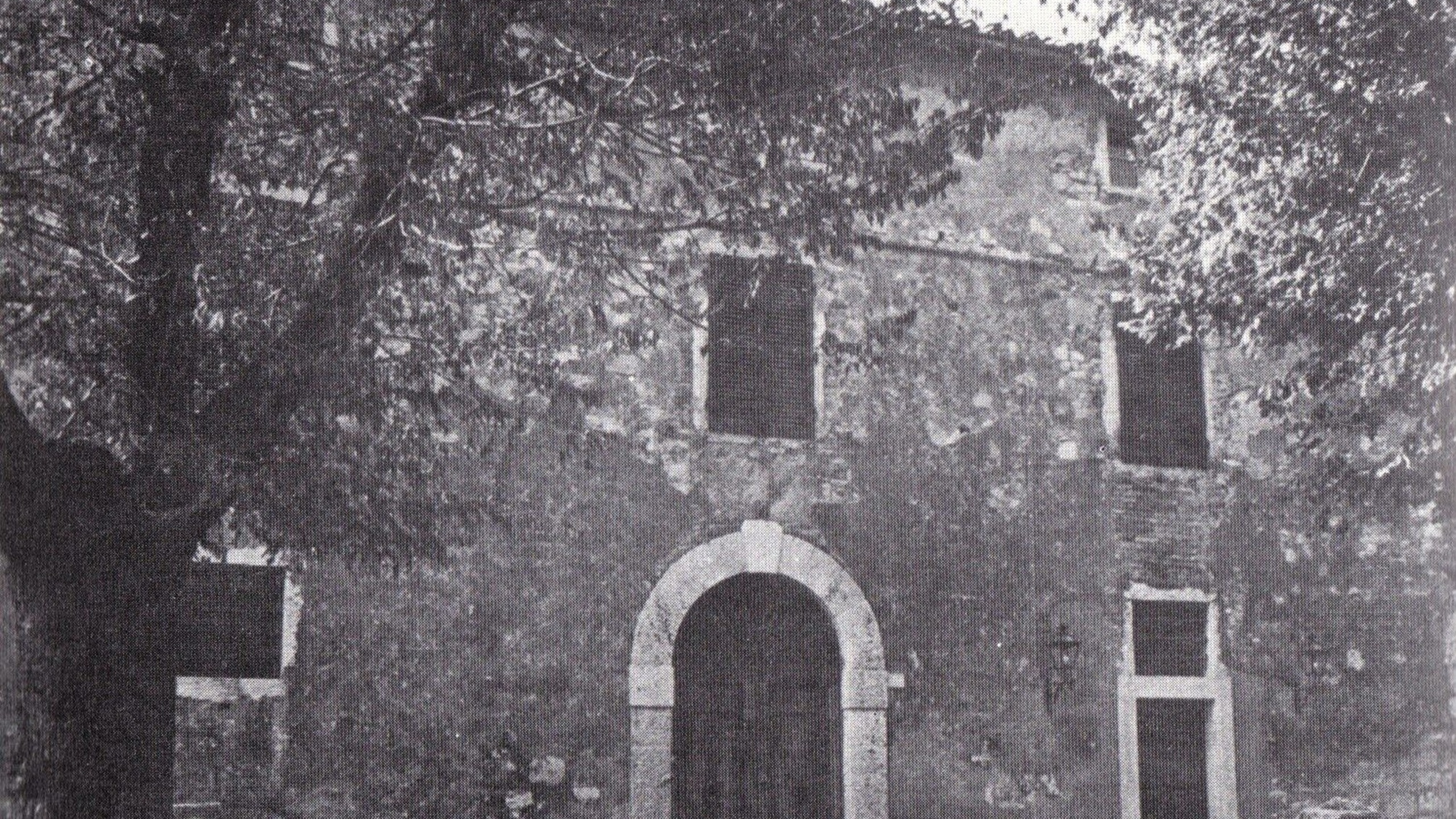
The Aldi Museum
In a corner of the square stands the Aldi Museum, which houses a valuable collection of works by Pietro Aldi (1852-1888), known as the "History Painter". Aldi, originally from Manciano, expressed his greatest talent in large-scale historical frescoes, such as The Meeting at Teano and Victor Emmanuel Rejecting Radetzky’s Agreements, created in Siena’s Palazzo Pubblico.
The 43 exhibited works include historical paintings, portraits, and studies, including Still Life with Fur and Lute, Interior of San Marco in Venice, Portrait of Maria Maddalena Ciacci, Roman View, and the artist’s self-portrait. Aldi, trained in Venice, Florence, and Rome, was celebrated during his lifetime: in 1878 he achieved great success at the Exhibition in Piazza del Popolo with Buoso da Doara, and his fame reached its peak with The Last Hours of Sienese Freedom, honorably displayed on the Capitoline Hill. He died too young, in 1888, leaving unfinished Nero’s Banquet, intended for the Paris Exhibition of 1889.
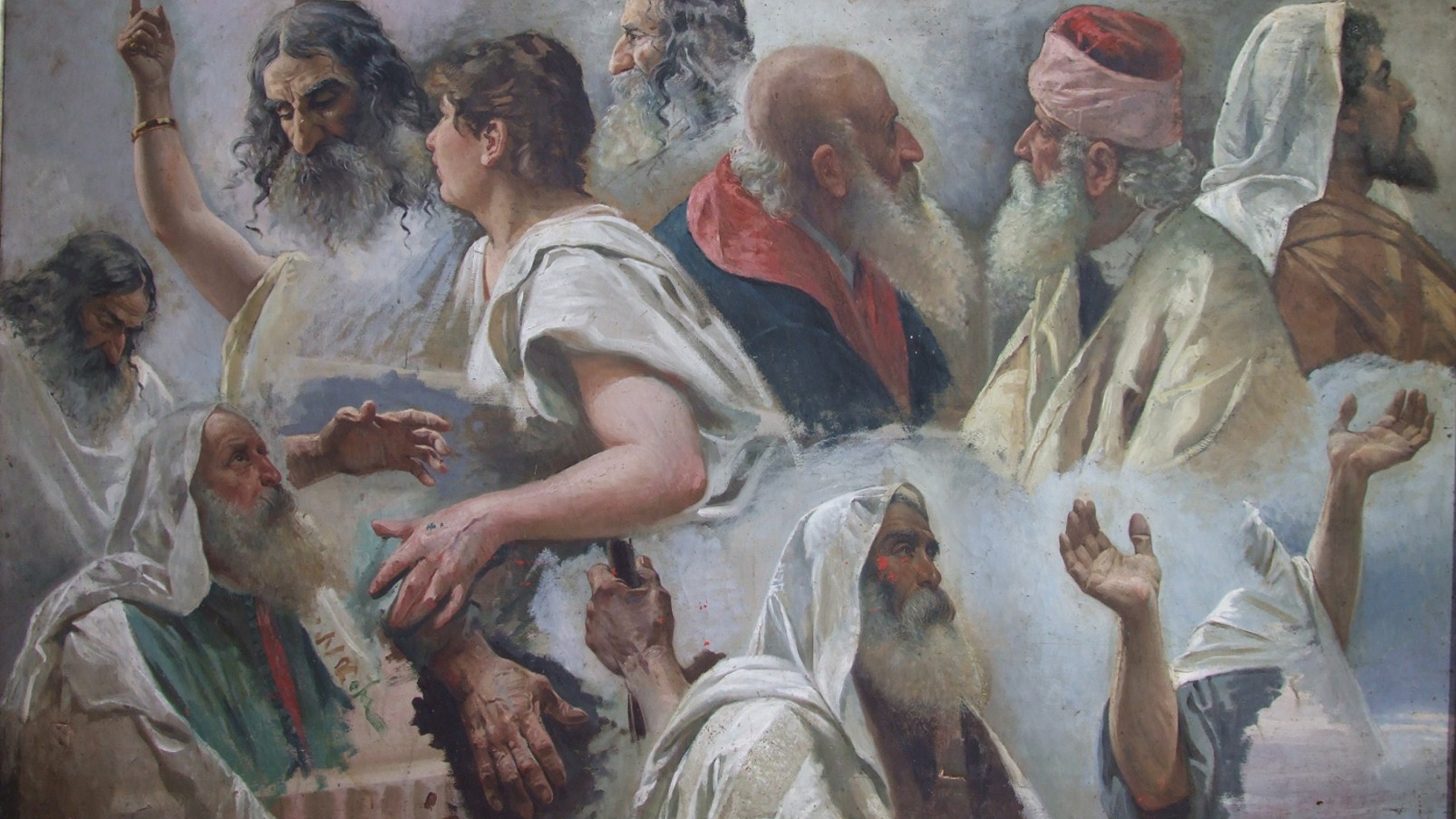
The streets of the historic center
The visit can continue through the streets behind Palazzo Ximenes-Panciatici — Via dell'Ambito, Via Aldobrandeschi, and Via Ciacci — each revealing a fragment of local history. In Via dell'Ambito there is a house dating back to the Romagna colonization of 1461; in Via Aldobrandeschi, according to Antonio Minto, the remains of a possibly Etruscan public building are preserved; in Via Ciacci, a plaque commemorates Bernardino Ciacci, the "Father of Saturnia" (1818-1897).
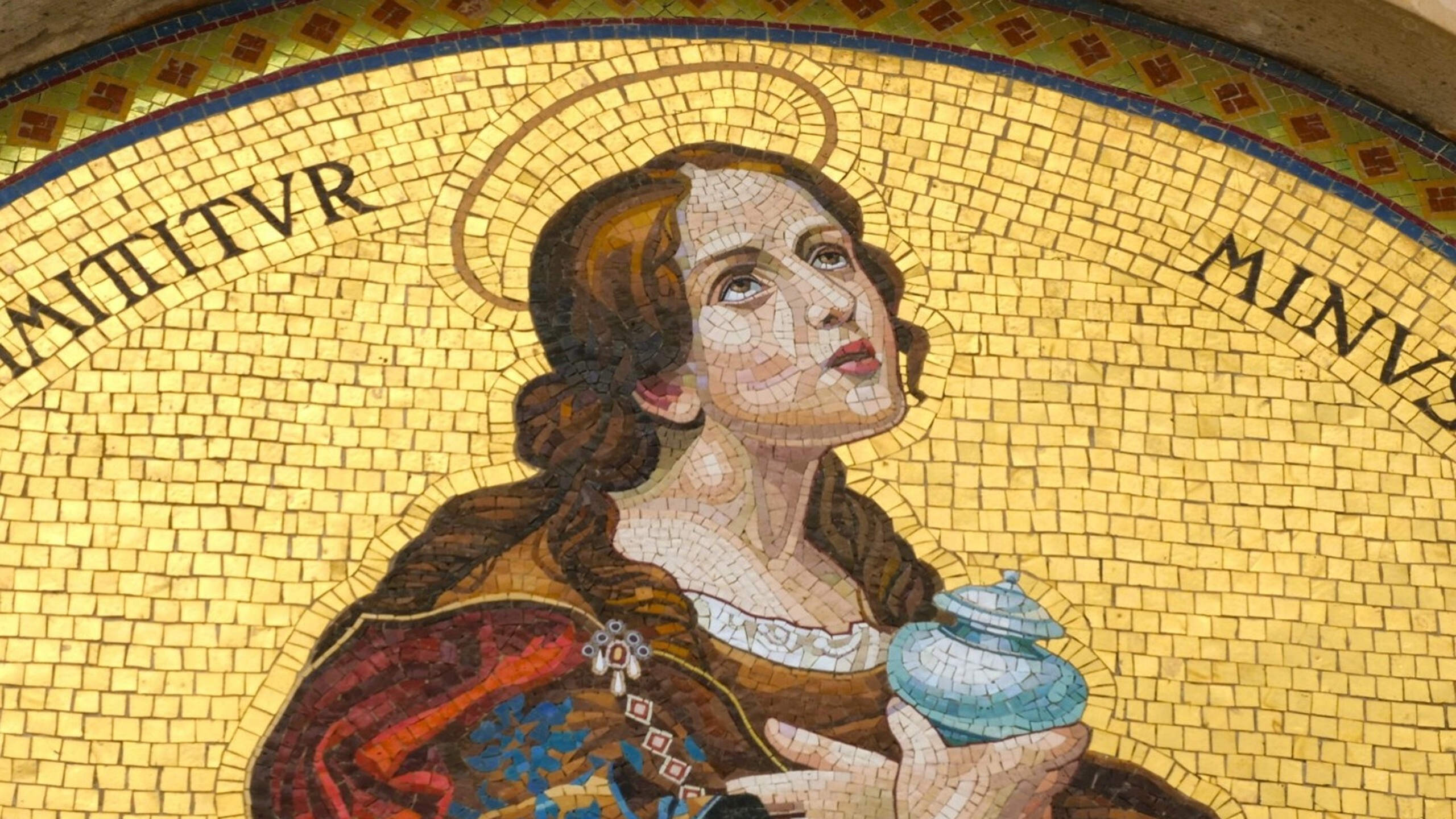
The Church of Santa Maria Maddalena and the fifteenth-century painting
A short distance from Porta Romana stands the Church of Santa Maria Maddalena (1932), home to a precious fifteenth-century painting: a Madonna and Child between Saint Sebastian and Saint Mary, attributed to Benvenuto di Giovanni. It is a valuable Sienese school panel, vibrant with light and color, with a charm that recalls a "neo-fourteenth-century" style, as described by Enzo Carli.
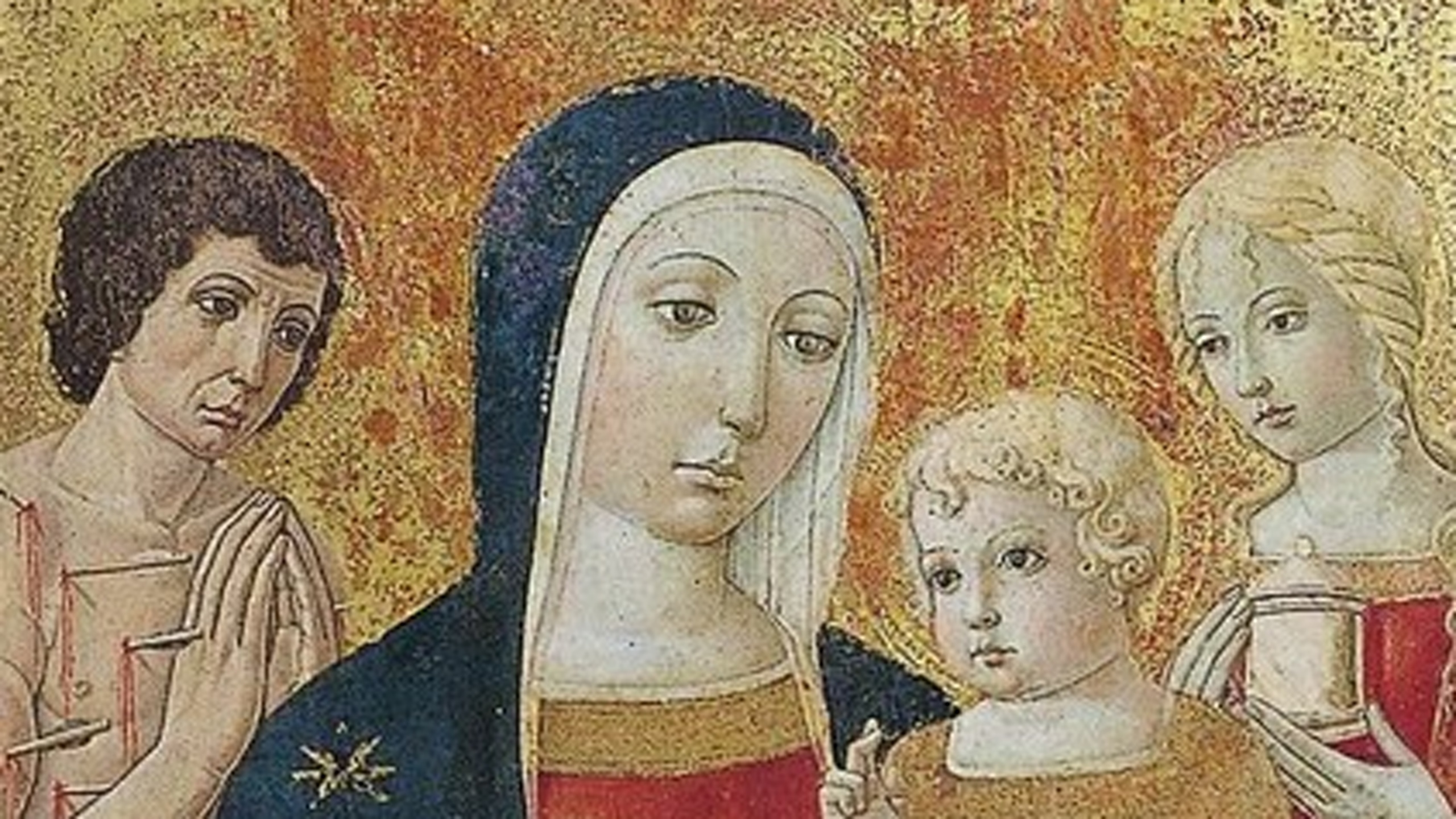
A rare artwork, now protected by a gate and visible upon request from the parish priest. Originally, it was located in the small Church of Madonna delle Nevi, just outside the historic walls. Nearby, in the Cassa Rurale building, a fragment of a bas-relief depicting a banquet scene is also displayed.
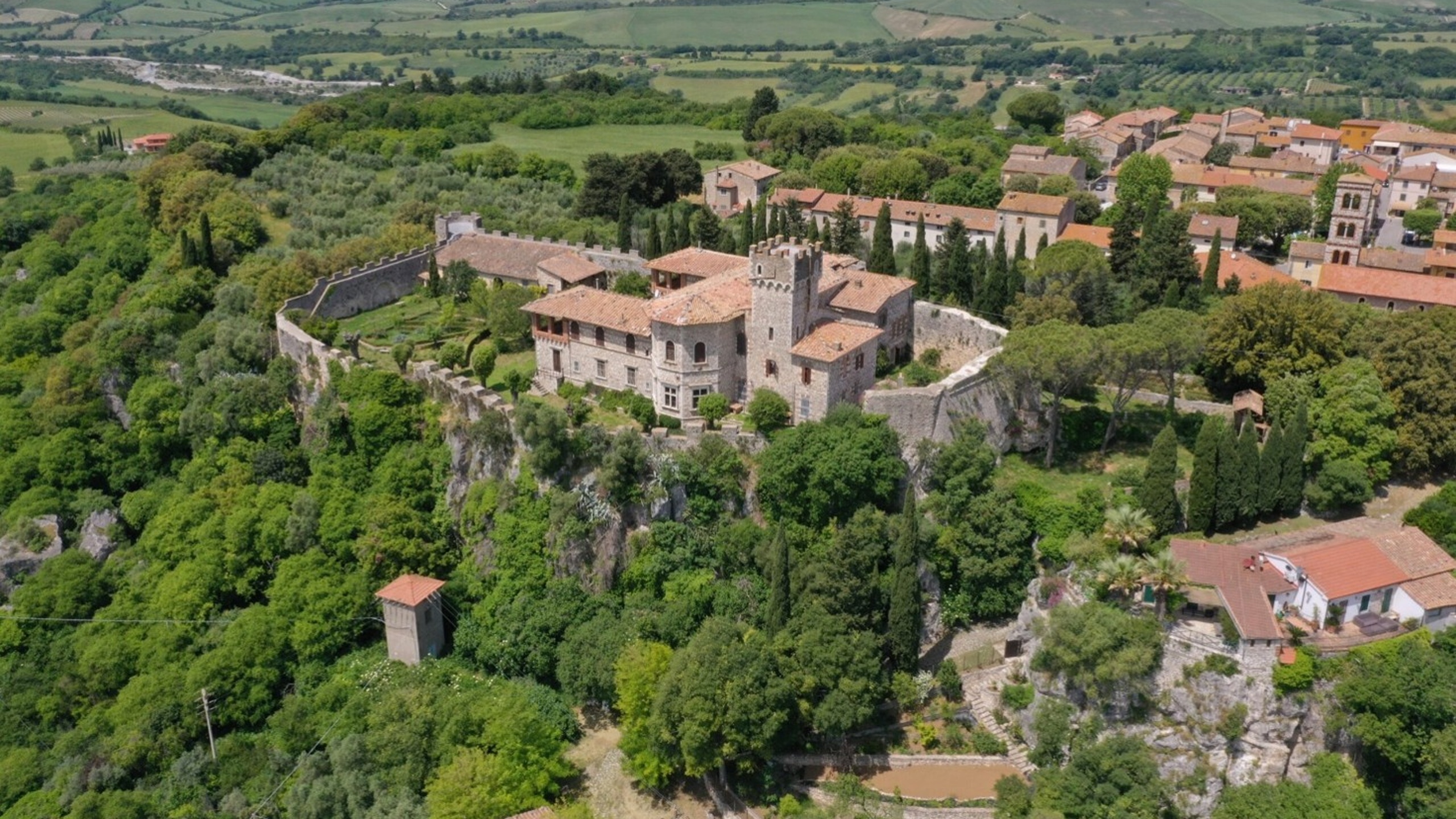
Palazzo Ciacci
Nearby stands Palazzo Ciacci, built in 1929 on the ruins of the Sienese fortress and on an ancient Roman castellum aquarum. Today the building overlooks the valley with impressive presence, among remains of ancient walls, reconstructed water channels, and a small garden housing an important epigraphic collection.
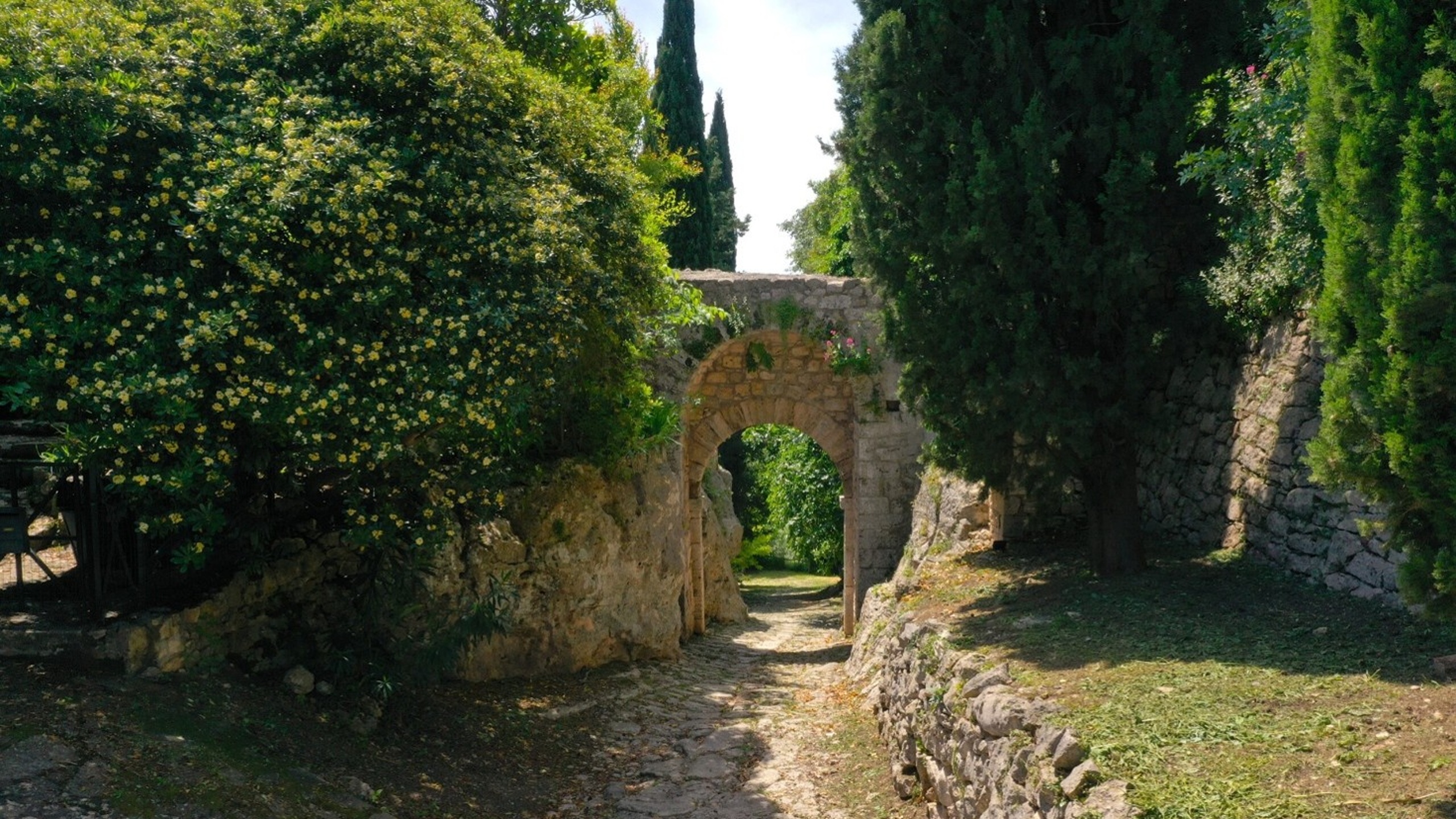
Porta Romana, the Etruscan walls and the Via Clodia
Near the fortress, visitors can admire a fascinating area with Porta Romana, the Etruscan polygonal-block walls, and a section of the ancient Via Clodia. Saturnia is crossed by this Roman road that connected Rome with the Etruscan inland areas: sections of the original paving are still clearly visible, allowing visitors to imagine the passage of legions and merchants two thousand years ago.
According to Pericle Ducati and Aldo Mazzolai, the road crossed the interior of Etruria, passing through Saturnia, Roselle, and Vetulonia before joining the Via Aurelia. The route, preserved for two millennia, also branched toward Sovana and Roselle, passing through places such as Poggio Murella, Murci, and Montorgiali, through villages and landscapes that can still be explored today, where ancient stones preserve traces of carts and travelers from every era.
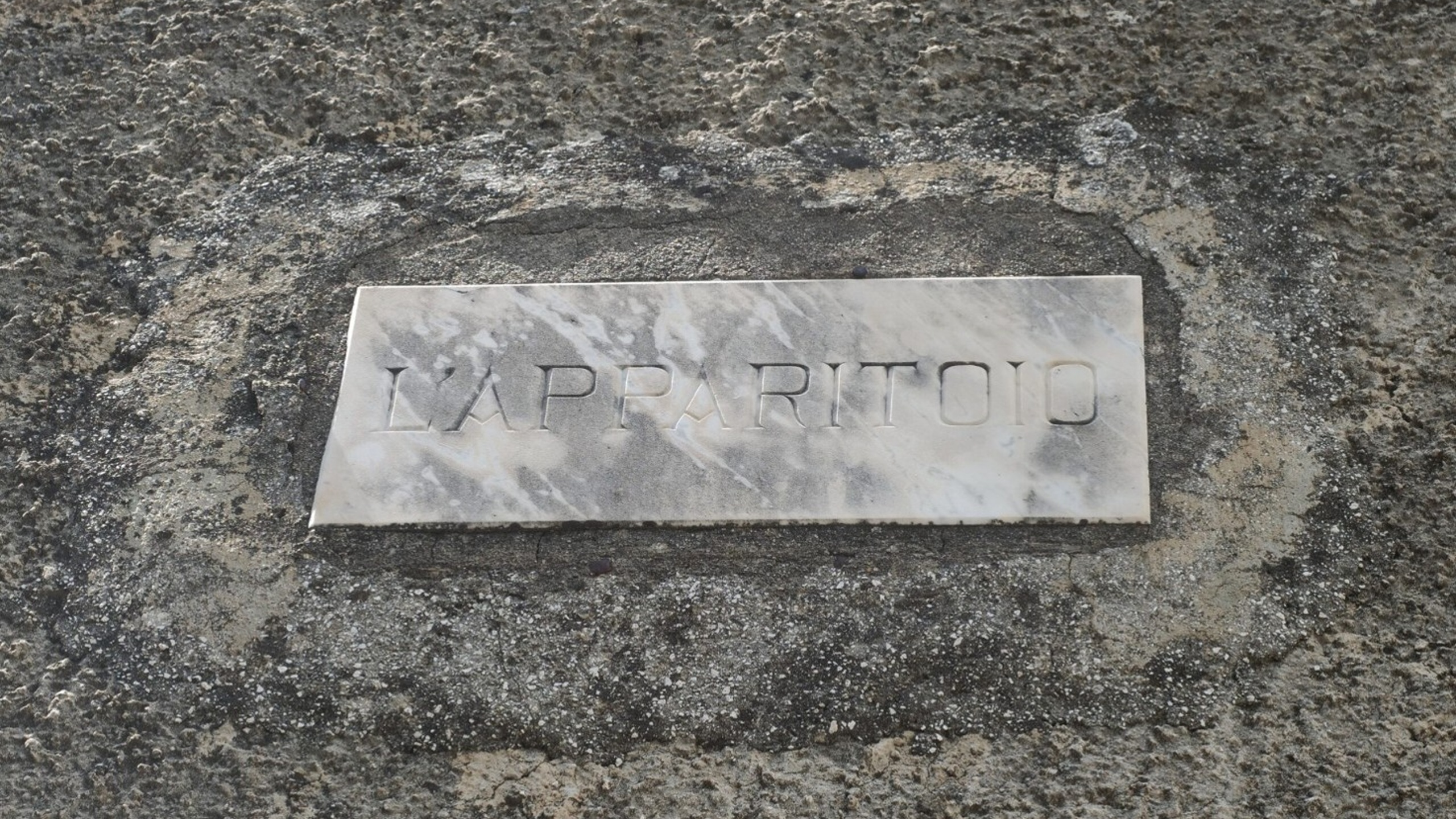
The Apparitoio, the terrace overlooking the thermal baths
After admiring Porta Romana, you can take Via dell'Apparitoio — named for the wide view it offers toward the thermal springs — and reach the charming "Apparitoio", a natural terrace offering a breathtaking view over the valley of the Saturnia Thermal Baths. From here you can see the Gorello stream, the Stellata torrent, and the Albegna River, framed by an untouched landscape. In winter, the vapors rising from the thermal waters create an almost dreamlike atmosphere.
Porta dell'Inferno, the Marruchetone walls and Porta Fiorentina
Continuing on, a road carved into the limestone leads down to Porta dell'Inferno (or Fonte Cenciola Gate), discovered in 1882, which was part of the Etruscan defensive walls. Returning toward the center along Via Italia, visitors reach again the Marruchetone walls, especially visible from the outside. A little further on, Porta Fiorentina marks the ancient entrance toward Semproniano and the Albegna valley.
The five gates of Saturnia
Saturnia has had, or still has traces of, five gates: Porta Romana, to the south, directly below Castello Ciacci; Porta di Fonte Buia to the north; Porta Fiorentina to the east, from which a road extends toward Semproniano and Sovana; the fourth to the west, near the ruins of the Church of San Biagio; and finally a fifth gate, believed by Pasqui to be near the Marruchetone olive grove, known as Porta di Fonte Cenciola or Porta dell'Inferno.
From these five gates, roads descended into the surrounding valley and spread throughout the territory toward nearby centers: Sovana, Statonia, Castro, Vulci, Heba, Ghiaccio Forte, and Caletra.
The Dry Bath
To complete the visit, return toward the village center: walking along Via Mazzini, you will encounter the so-called Bagno Secco, probably a cistern carved into travertine and connected by lead pipes to the castellum aquarum.
If you stop nearby and listen carefully, when the wind blows in the right direction, it almost seems possible to hear the sound of Orlando’s horn: even the legend of Orlando, which crosses the whole of Italy, touched Saturnia right here.
Saturnia, with its serene and orderly appearance, stretches across the wide plateau enclosed by ancient walls. The simple yet dignified travertine houses line spacious public areas, giving the village a sense of openness and comfort that enhances its natural beauty. Here, among quiet streets and spacious squares, the village breathes a warm and welcoming atmosphere, where time seems to flow more slowly, preserving the connection between past and present.