
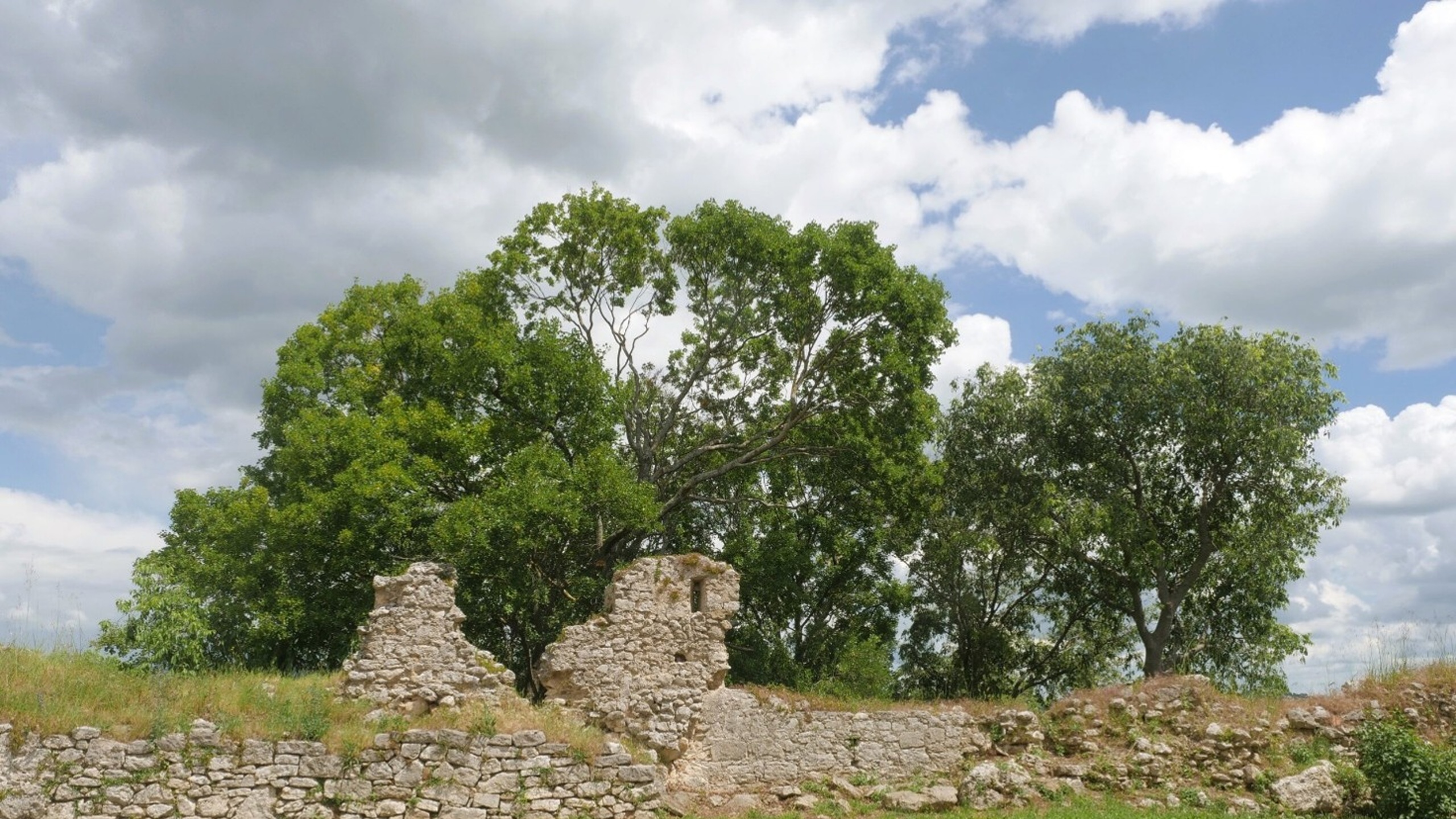
The Etruscan tombs of Pian di Palma, located on the right bank of the Albegna River near Saturnia, represent one of the most fascinating archaeological testimonies of the Maremma area, although they have unfortunately been largely devastated over the centuries. These tombs, once extremely numerous, have mostly been looted, destroyed, or transformed into animal shelters, making well-preserved examples increasingly rare.
The surviving tombs
The surviving tombs are located in two main areas: the Campo della Fame, just beyond the bridge over the Albegna River, and the Puntone, reachable via a signposted road. The latter area contains the only remaining "constructed" tombs still visible today: large burial chambers made of monolithic travertine, accessed through corridors (dromoi) formed by stone slabs. Some are double-chamber tombs, with a central supporting pillar, and were originally covered by earthen burial mounds.
The underground tombs
Alongside these, there are also hypogean tombs, carved into marl rock and often equipped with benches for funerary offerings. They are accessible through long underground corridors and were probably topped with tuff stone cippi from Statonia.
Evidence and preservation
The evidence collected over time — from scholars such as George Dennis, who recognized their importance as early as the nineteenth century, to twentieth-century investigations — confirms the Etruscan origin of the tombs, although some scholars in the past considered them to belong to a more ancient period.
Today, what remains is protected by the Archaeological Superintendency of Tuscany, ensuring that this "complete cemetery" is not forgotten but can continue to tell the millenary story of the Etruscan civilization in the Maremma.